


 中中 简体
中中 简体 0
0
Cur linteum umidum sentiat calidius quam siccum?
Linteum infectum calefacit ad cutem tuam longe efficacius quam siccum — Brevis haec responsio est. Cum linteum aqua saturatum est, scelerisque conductivity eius dramatice augetur. Aquae calefacit circiter XXV temporibus melius quam aer . Siccus linteum laqueos aere in fibris insulator agentes; linteum humidum reponit, quod aerem cum aqua convertens in calorem conductorem efficiens.
Cum linteum calidum et humidum contra cutem tuam ponis, duae machinae eodem tempore operantur;
- Conductio: Moleculae aquae vim caloris directe ad cutem tuam transferunt ad ratem multo celerius quam moleculae aeris.
- Evaporationis mora; Linteum madefactum conservat contactum cutem diuturnam antequam evanescat, calorem translationis fenestrae extendens.
In praxi, linteum humidum in curru calido relicto 140°F (60°C) incendium facere potest intra secundas contactus, cum linteum siccum in eadem temperie primo tactu tantum incommodum sentiat. Hac de causa etiam calidum comprimit in therapia physica uti calore humido — humor efficit therapeuticum calorem profundius in textus musculi penetrans.
Quae functio lintei Rack?
Linteum eculeum longe plus tenet quam fabricam. Praecipuum eius munus est ut siccitatem celerem promoveat, ne incrementum fingat, et balneo hygiene servet. Cum linteum per eculeum magis quam in hamum fasciculum expansum est, eius superficiei expositio crescit usque ad 60% et signanter accelerans humorem evaporationem.
Key functiones ad aspectum
- Hygiene: Linteum plene ventilata arefacit in 2-4 horis; linteum fasciculum vel aream demissam bacteria intra XX minutas in balneo calido, humido receptare potest.
- Odor praeventionis; Proprius airfluxus circa omnia lintea strata eliminat odorem putridum, quod ab incremento anaerobic bacteriali causatur.
- Longit. Lintea quae penitus arida inter usus significanter diutius durant - studia suadeant propria exsiccatio linteum extendere potest per 30-40% comparari humido repono.
- Organization: Tormenta dedicata mantilibus personalibus cuivis domestico membro assignant, in crucem-contaminationem reducendo.
- Aesthetics: Lintea eleganter ostensa conferunt ad mundum, balneo stilo deversorium species.
Linteum calefactum quatit — popularis in Europa et magis magisque in America septentrionali — aliam dimensionem addunt: linteum ante usum calefaciunt, ulteriora accelerant exsiccatio ad subtus. LX minuta et spa- tium similem praebens.
Ubi posuistis infectum mantilibus post imbrem?
Locus optimus pro linteo humido post imbrem est linteum talea vel eculeo ventilato intus vel extra balneo — nunquam in area, supra januam, vel in claustro. Locus res est, quia airfluxus, temperatus et humiditas omnia afficiunt quam cito linteum exsiccat et quam tutum restet ad reuse.
Praeferebantur Options: optimus est pessimum
- Murus conscendit linteum talea in balneo — Specimen. Plena permittit, explicata propagationem; par cum fan exhauriunt ad optimos eventus.
- Linteum eculeo freestanding prope fenestram — Optime. Fluxus naturalis et levis ope fabricam inconsideratus adiuvat.
- Plus-the-ostium linteum hamo (solum tabulatum) — Acceptum pro manu linteo; non specimen pro magna balnei lintea quasi strata laqueum umoris complicatum.
- Muro linteum hamum — Laborabile solum si linteum quam maxime directum est.
- Iacta super imbrem virga — Acceptum breve tempus, sed humiditatem in aream imbrem introducit.
- Lauandi vis aut areæ — Nunquam suadeo. Linteum humidum in laqueis clausis formare colonias potest evolvere sub XXX minuta apud typical balneo temperaturis.
Most valetudinis curandae periti suadeo lotis linteis omnis 3-4 usus in eculeo recte conditum, vel post unumquodque usum, si recte conditum fuerit.
Quam linteum instrue Bar: GRADATUS
Vexillum linteum talea instruens 30-45 minuta accipit et terebra, gradu, et solus requirit. Clavis ad securam, perpetuam institutionem est clauos parietes invenire vel rectis anchoris pro drywall utens.
Instrumenta et Materias opust
- Plumbum et taenia mensuræ
- Bulla gradu
- Virtus terebro frenum convenientem
- Bulla inventoris (suadetur)
- Murus ancoras (si ascendens in drywall only)
- Screwdriver et ANISOCYCLUM (plerumque includitur cum bar)
Installation gradibus
- Altitudinem elige tuam: Latin linteum altitudinis talea est 48 inches (122 cm) a pavimento. Pro thermarum puerorum, 36 digitorum (91 cm) utilior est.
- Mark bracket positiones; Texillum contra parietem habe, aequo utere ut rectum sit, et bracket utrumque escendens foraminibus cum pincello notas.
- Clavos locare: Studio utere inventore. Claviculi more XVI pollices (XL cm) seorsum . Ascensus in bullas firmissimum praesidium praebet - capax 50 lbs (22 kg) .
- Gubernator terebrarum juvenum; Pro clauis, uti 1/8-inch frenum. Nam drywall tantum, terebrare ad diametrum parieti tuo aequas anchoram.
- anchoras inserere (si opus fuerit); Tap toggle fulmina seu expansio ancorae rubent parietis superficiem.
- Uncis affigere: Screw uncis adscendens in locum. Noli superare in tegulam - manu solus utere ad ultimas vices ad evitandum crepuit.
- Documentum affigere: Slide, vel talea in uncis preme et secure cum cochleis set clavem Allen utentem.
- Test firmitas; Applicare ima certe XX libras ad confirmandam institutionem securam ante usum.
Ad parietes tegularum, terebra carbida utere, et tape larvata in terebra area applicare ad ne slippage frenum. Levis pressione terebrare celeritatem ad vitare tegulam crepuit.
Quomodo determinare linteum
Indicatores qualitatis certissimi pro lintea sunt pondus GSM, genus fibra, densitas ansa, et finis constructionis - notam nomen vel pretium non solum. Ecce quomodo singulos factores aestimare antequam emis.
GSM: Maxime obiectiva mensura
GSM (P. per metrum quadratum) linteum densitatis mensurat. GSM altior significat fabricam maiorem, maiorem absorbentiam et sensum delicatiorem — sed etiam diutius inarescat.
| GSM Range | Sentire | optimus For | Siccatio Volo |
|---|---|---|---|
| 300-400 | Lux, tenuis | Gym, iter, litus | Celerrimus |
| 400-600 | Medium, versatile | Quotidie usus in domum suam | Moderatus |
| 600-900 | Crasso, gausapo | Balneum luxuriae, spa | tarda |
| 900 | Gravissima, densa | Magnum deversorium linteamina | Tardissime |
Fibra Quality: Quid quaerere
- 100% cotton vexillum est aurum. Quaerite diuturnitates stapularum sicut bombacio Aegyptia vel Supima (American Pima) bombacio - fibrae earum longiores fortiorem, leviorem, magis bibulam ansam creant.
- Turcorum bombacio (Bona quoque Aegaeum appellata) fibras habet longas et praecipue chara est ob proprietates lucidas et celeriter siccantis.
- Cotton-polyester mixtionis citius siccant, sed minus bibulas habent et minus luxuries per tempus sentiunt.
- Bamboo linteums are naturally antimicrobial and hypoallergenic, but often blend with cotton to improve durability.
Simplex in-Store Quality Test
- Aquae gutta test; Aquam stillam in fabrica — qualis bombacio statim eam concipit. Linteum cum softeners (dolus communis officinas) tractatum erit, aquam capitabit et absorbentiam initialem pauperem ostendet.
- Loop viverra test; Leniter trahitis ansam. GENERALE linteum sine retegendo resistit. Solve, facile saxum trahi inferioris constructionis insignem.
- Ora inspectio: Duplici sutilibus vel moe- nibus resistunt frayri. SUO uno overlock ore signum est constructionis budget.
Genera mantilibus: A Complete Overview
Sunt super a dozen distincta linteum genera singuli ad certum finem destinati. Genus ius eligens abuti prohibet, spatium vitae extendit, et cotidiana exercitatione tua melioratur.
| Linteum Type | Standard Size | Primus usus |
|---|---|---|
| Balneum Towel | 27×54 in (69×137 cm) | Remittit corpus post lavacrum |
| Balneum Sheet | 35×60 in (89×152 cm) | Plenum corpus wrap, extra coverage |
| Manus linteum | 16×30 in (41×76 cm) | Manus siccare labellum |
| Washcloth / Flannel | 12×12 in (30×30 cm) | Facie ablutio, exfoliation |
| Litore Linteo | 30×60 in (76×152 cm) | Sol desideres, poolside remittit |
| Gym / Sport Towel | 20×40 in (51×102 cm) | Sudor effusio in workouts |
| Capillus Linteo / Turban | Variatur (style) | Comae leves inarescunt, frizzum reducentes |
| Culina Towel | 18×28 in (46×71 cm) | Siccatio acetabula, extergendae superficies |
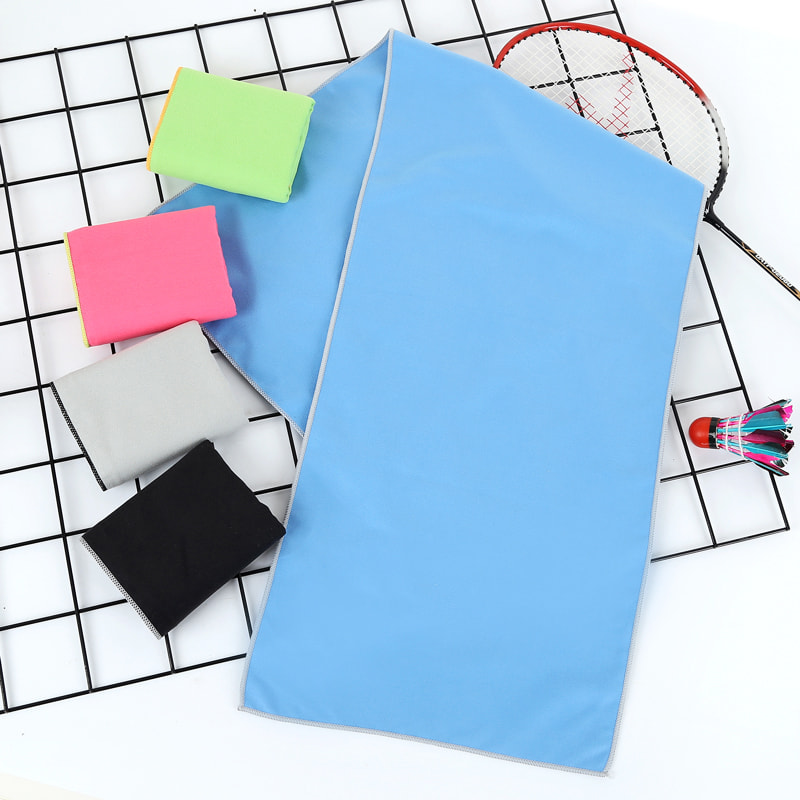
| Microfiber Linteum | Varies | Iter, ludi, currus narratione |
Linteorum Microfiber speciali mentione merentur: fiunt ex fibris polyester-polyamide fibris scissilis, qui sunt C temporibus humanus capillus melius iisque eximiam effusio et arctitudinem - specimen peregrinantibus et athletis, sed non commendatur cutis sensitiva ob texturae eorum leviter laesurae.
Frequenter Interrogata de Towels
Quoties lavandum linteum balneum meum?
Omnis 3 ad 4 usus est ratio late commendata ab investigatoribus hygiene, incluso Instituti Americani Purgatio. Linteum recte in eculeo si post unumquemque usum siccetur, haec schedula satis est. Saepius lavatur si quis in familia aegrotat, si linteum quodlibet odorem excolit, vel si plures usus est, quam unus homo.
Cur nova lintea minus bibulas sentiunt?
Novissima manutergia cum fabricae softeners tractantur et silicone conficitur in fabricandis ad emendandas species suas in-copia et senties. Hae coatings aquam repellunt. Linteum novum 1-2 temporibus ante lavare primum usum — specimen aceti albi cum dimidio cyatho in primo lava et in secundo nitro coquendo, nullo purgat — has tunicas extrahit et bibulas ex die uno auget.
An fabricae mollior lintea ruinam?
Etiam tempus tempor. Liquida fabricae softener et sicciores schedae tunicae fibrarum bombicarum cum cerae residuo quae gradatim minuit absorbentiam. Nam lintea, cula softener. Si vis mollius sentire, adde calix ex albo aceti ad stupam currendam — fibras naturaliter emollit, purgat structuras removet, nec remanet residuum, nec semel siccum olfacit.
Quae aqua temperatura aptissima lintea lavandi?
Mantilibus lava alba et levis colorata aqua calida (140°F/60°C) Clostridium et pulvis minuta ad occidere. Mantilibus enim coloratis vel tenebris, utere aqua calida (105°F / 40°C) ne evacuatur. Semper curam pittacii inhibere - quidam quis fermentum vel lintea mixta aquam frigidam ad integritatem conservandam requirunt.
Quando mihi lintea reponere debeo?
Mantilibus reponere cum non absorbet aquam efficacius , enucleare pervicax olfactus putridus qui superstes est lotus , extenuantem vel elisum visibilis ostendunt , vel contra cutem scabiem sentiunt . Recta cura, quale linteum xylinum durat 2-5 annis regularis usus. Lintea-gradus deversorii, quae industrialiter laventur usque ad 5 vicibus per hebdomadam, typice restituuntur singulis annis 1-2.
Mantilibus communicare possum cum familia membra?
Contra Hygienists commendare. Lintea mortua cellulis cutaneis, oleis naturalibus, et microorganismi cum unoquoque usu ducuntur. Linteum communicans - etiam inter sanos homines - bacteria transfert quasi Staphylococcus et fungos condiciones causantes sicut pedis athletae. Unusquisque proprium linteum intitulatum habere debet et in singulis schedulis succedere.
Featured Products

-
Telephono
+ 86-400-892-8838
LXXXVI CLXXX (V) CLXII (V) DCCCLXXXVIII
-
Oratio
No. 128-8 Taihangshan Road, Rudong Economic Development Zonam, Juegang Urbs, Nantong City, Jiangsu Province, Sina
- MEDIUS


